
Sex addiction recovery resources
Where are you starting?
Pick the one that fits and we'll show you where to begin.
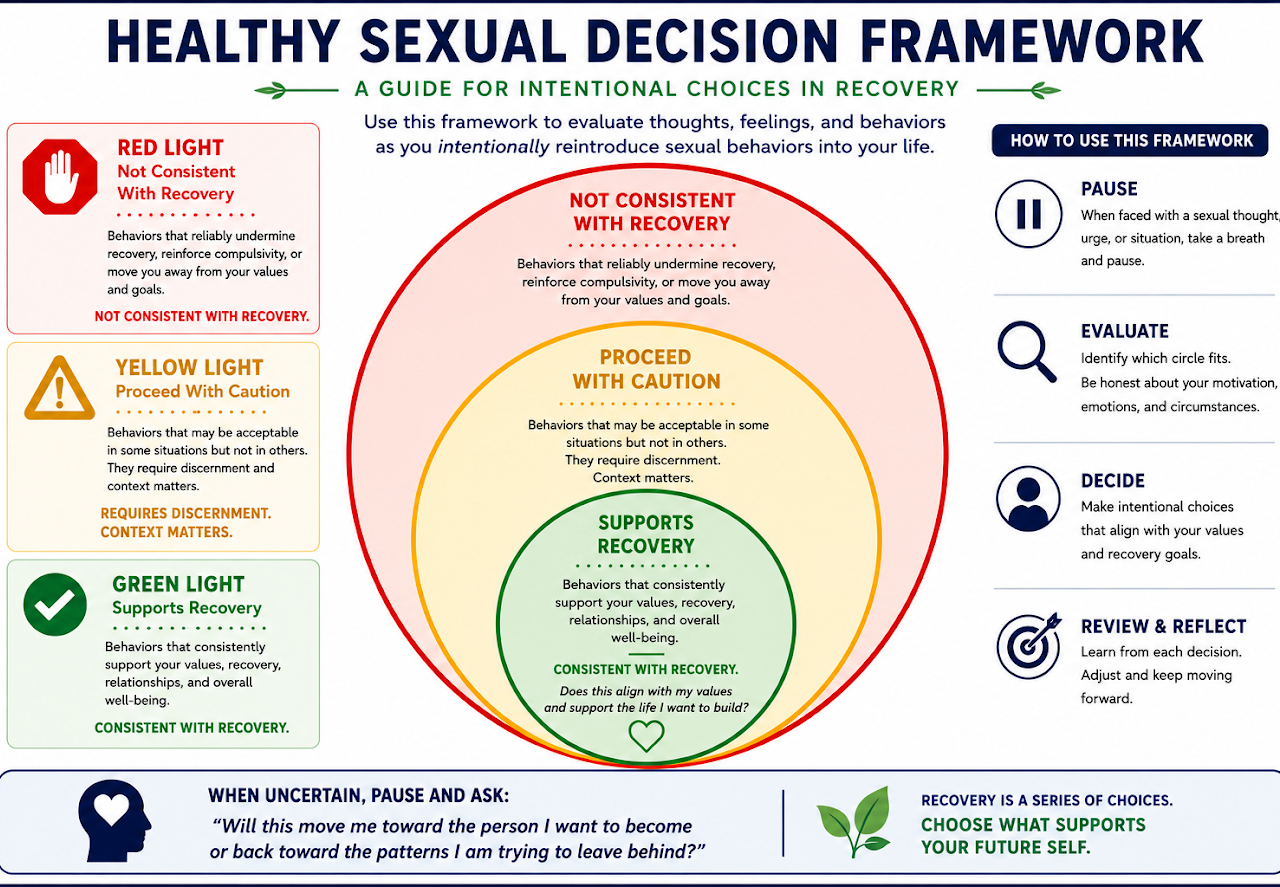
Feelings check-inName what you feel and keep a private log
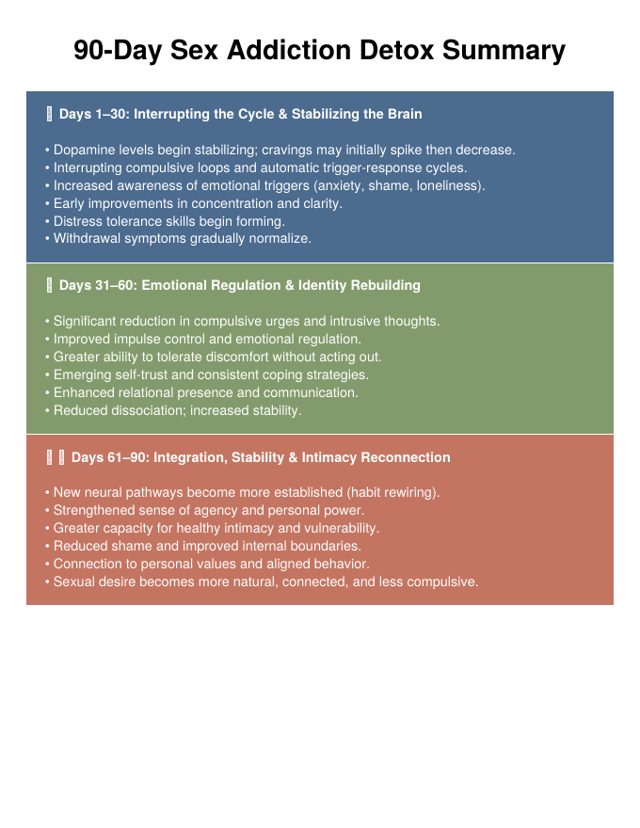
90-day trackerCheck in daily and hit 30, 60, and 90
Coping skills logSee which coping skills help you most
Join the group that inspired this site. Most of what's here comes from our group members. We meet through BetterHelp group sessions, so you need a BetterHelp membership to attend.
How to register
Tip of the week
Transparency vs. honesty.
Honesty is telling the truth when you're asked. Transparency is telling it before anyone has to ask. Stop the little lies, and be open even when it might not go well. That's what rebuilds trust.
Group handouts
Files the host shared in group. Open them here, or download and print them.
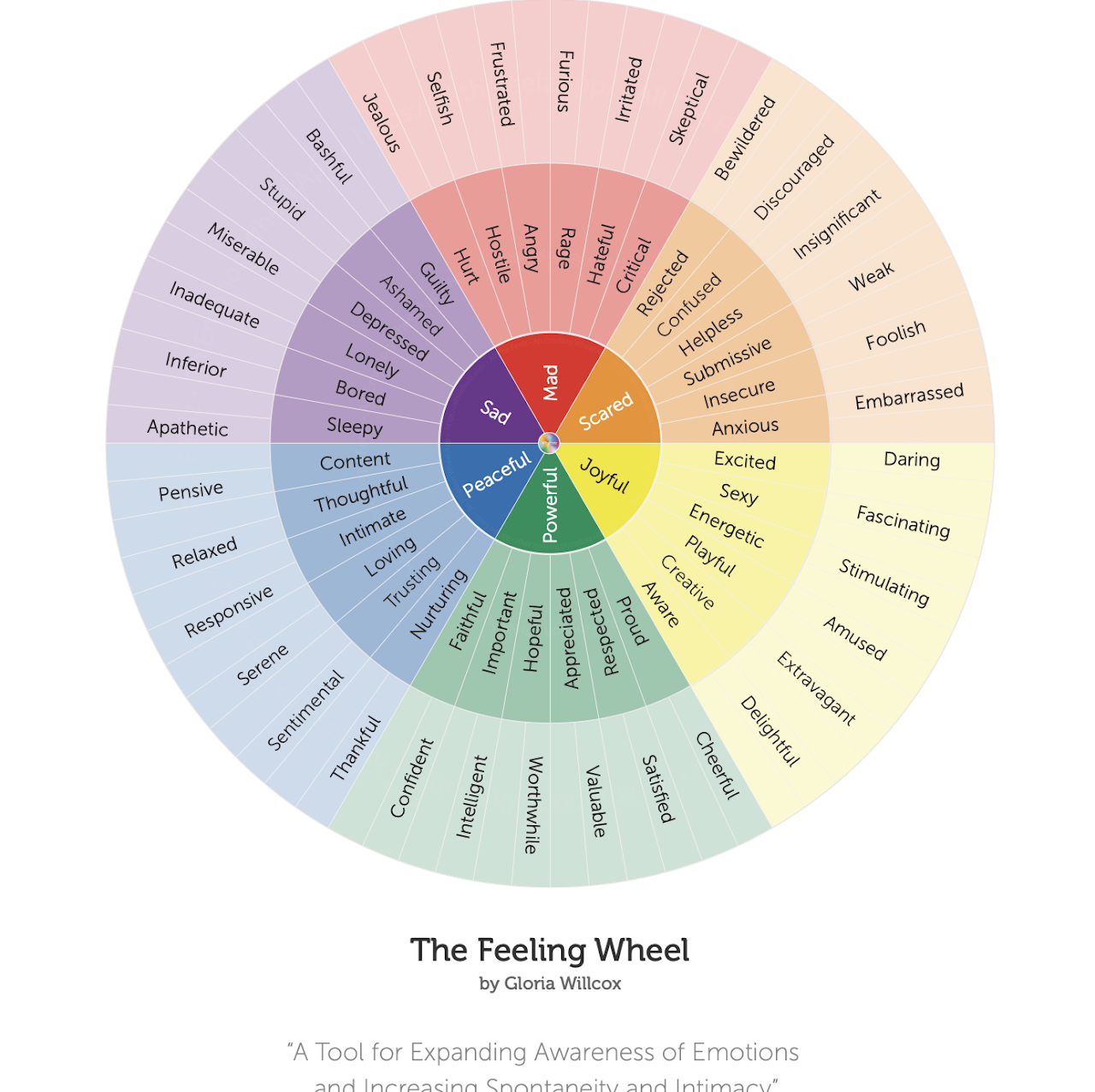
Worksheet · Word
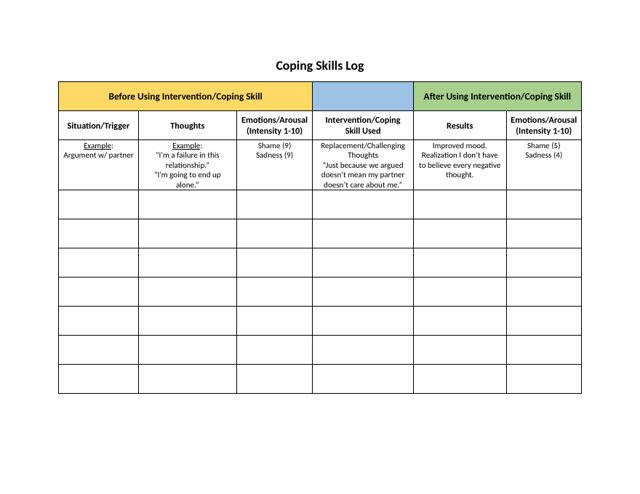
Coping Skills Log
Write down a trigger, what you were thinking, and how strong your feelings were before and after using a coping skill. Has an example filled in.
All resources
Tap a section to open it. Tell us what helped with the thumbs.
Find support
3
Recovery is easier with other people. Start with our group, and add a 12-step meeting if you want more support.
Join the group that inspired this site
Most of the resources here come from members of our group. We meet through BetterHelp group sessions, so you need a BetterHelp membership to attend.
Sex Addicts Anonymous (SAA)
Free 12-step group. Meetings in person, by phone, and online.
Sex and Love Addicts Anonymous (SLAA)
Free 12-step group that also covers love and relationship addiction.
Tools from group
5
Things that come up a lot in our sessions.
Bring the session home
For partners: ask your partner to go to group, take notes, and share them with you after.
- You get to see what they're learning.
- It's an easy way for them to practice being open with you.
- It gives you both something to talk about besides the hurt.
Rebuilding trust
- Be present. When you're with your partner, don't be preoccupied. Limit sitting on the couch on your phones. Pay attention, because they've probably already told you what they need to trust you.
- Catch yourself. Stop the little lies, and be open even when it might not go well.
- There's no timeline. Trust comes back on your partner's schedule, not yours.
When an urge hits
- Make a safety plan. If certain places or people trigger you, plan ahead so you stay safe.
- Reach out. Call your partner, a friend, or family. You don't have to share details. Talk about the trigger or anything else to get your mind off it.
- Check HALT. Ask yourself if you're hungry, angry, lonely, or tired, and take care of that first.
- Wait it out. Urges pass. Give it 15 minutes and go for a walk.
Natural ways to help your mood
Sunlight, exercise, healthy food, yoga, sleep, probiotics, and omega-3s.
Medication: talk to your doctor
Medication helps some people with compulsive behavior. Talk to your doctor about whether it's right for you.
Books
21
Links go to Bookshop.org.
Out of the Shadows
Patrick Carnes
Usually the first book people get recommended. A lot of how sex addiction is treated today comes from this book.
Facing the Shadow
Patrick Carnes
The workbook that goes with Out of the Shadows. Good for your first steps in recovery.
A Gentle Path Through the Twelve Steps
Patrick Carnes
A workbook for the 12 steps. Less rigid and more reflective.
Sex Addicts Anonymous ("The Green Book")
SAA Fellowship
SAA's main book. A must if you're working the SAA program.
Don't Call It Love
Patrick Carnes
Carnes's research on people with sex addiction. Helpful for seeing yourself in the patterns.
Contrary to Love
Patrick Carnes
About helping someone with sex addiction. Partners and therapists read this one a lot.
In the Shadows of the Net
Patrick Carnes, David Delmonico & Elizabeth Griffin
About compulsive online sexual behavior. Good if most of your acting out happens on screens.
Out of the Doghouse
Robert Weiss
A step-by-step guide for fixing the relationship after you've been caught.
Help Her Heal
Carol Juergensen Sheets & Vicki Tidwell Palmer
An empathy workbook to help your partner heal. You can do it alone or together.
Sex, Lies, and the Other Woman
For the betrayed partner. Helps with the "why did this happen?" question.
The Porn Trap
Wendy Maltz & Larry Maltz
A guide to spotting and recovering from porn problems. Good for individuals and couples.
Mind Over Explicit Matter
How porn changes the brain and how to undo it.
Every Man's Battle
Stephen Arterburn & Fred Stoeker
A Christian book on sexual purity and self-control. Very common in faith-based recovery.
Dopamine Nation
Dr. Anna Lembke
A Stanford psychiatrist on how modern life overloads the brain and what to do about it. Goes well with The Molecule of More.
The Molecule of More
Daniel Z. Lieberman & Michael E. Long
All about dopamine and why your brain craves what it craves.
The Power of Habit
Charles Duhigg
How habits form and how to change them. Useful for replacing acting out with something better.
No Bad Parts
Richard Schwartz
An intro to Internal Family Systems (IFS) therapy. Helps with deep beliefs you have about yourself.
Attachment Theory Workbook for Couples
Elizabeth Gillette
Exercises to figure out your attachment styles and why you connect the way you do.
The Presence Process
Michael Brown
A 10-week practice for staying in the moment. Helps with the "be where your feet are" part of recovery.
Good Vibes, Good Life
Vex King
About self-love as the starting point for change. More mindset than clinical.
The Subtle Art of Not Giving a F*ck
Mark Manson
About choosing what's actually worth your energy. Blunt but helpful.
Podcasts
5
Porn, Betrayal, Sex and the Experts (PBSE)
Steve Moore & Mark Kastleman
Two therapists who are in recovery themselves answer questions from addicts, partners, and couples. Really good on disclosure and rebuilding trust.
Dare to Connect
From the PBSE hosts
The PBSE hosts' live online program, with sessions for addicts, spouses, and couples.
Unhooked
Jeremy Lipkowitz
What porn does to your brain and body, plus a mindfulness approach to quitting.
Unravelling the Big Mystery
The psychology behind porn addiction. A good place to start if you want to understand the why.
Solved: How to Let Go of Your Shame
A deep dive into shame and how it feeds addiction. It's a longer listen.
YouTube and videos
3
Dr. Trish Leigh
A brain coach who makes short videos about porn recovery and what's going on in your brain.
Joy Recovery
Roy & Jacqueline
Roy and Jacqueline are a husband and wife who are certified recovery coaches. They've been through infidelity and betrayal trauma themselves and work with individuals and couples.
The Anatomy of Trust
Brené Brown
Brené Brown breaks trust into seven parts called BRAVING: Boundaries, Reliability, Accountability, Vault, Integrity, Nonjudgment, and Generosity. Trust gets built in small, everyday moments.
Apps and accountability tools
8
Apps can help, but they don't replace doing the work. Check each site for current prices.
Covenant Eyes
The most popular accountability app. Your partner gets an easy-to-read report of anything flagged. Faith-based.
Ever Accountable
Sends weekly reports to up to three accountability partners. Usually cheaper than Covenant Eyes.
Canopy
Blocks explicit content before it loads. Your partner can stop it from being uninstalled.
Truple
Takes random screenshots and sends them to an accountability partner. It monitors instead of blocking. Works best on Android.
AppBlock
Lets you block risky apps and websites.
Brick
A physical device that locks the apps you pick until you tap your phone on it again. One-time cost, no subscription. Works best if someone else holds onto it.
Unchaind
A Christian app with streak tracking, daily check-ins, and scripture. Needs a subscription.
Quitter
Tracks your streak and shows how your brain is recovering. A few apps use this name, so check the reviews before you download.
Common questions
What is a 90-day detox?
A 90-day detox, also called sexual sobriety or abstinence, is a common step in sex addiction recovery. It gives you space to heal, figure out your triggers, and build new ways to cope. The goal is to reset unhealthy patterns and work toward healthy intimacy, not to give up sex forever. Plan it with your therapist, and talk it through with your partner if you're in a relationship.
What does "disclosure is better than discovery" mean?
Telling the truth yourself, ideally with help from a therapist, does less damage than your partner finding out on their own. When they find out on their own, they're hurt by the behavior and by the hiding.
I was hurt by my partner. Is any of this for me?
Yes. Betrayal hurts, and your healing matters on its own. Pick "I was hurt" at the top of the page to see resources for you. You can also ask your partner to come to our group, take notes, and share them with you after.
Found something that helped you? Share it and we'll add it. You don't need to give your name, and please leave out details about your own health.
Suggest a resource
Share this site

Know someone who could use this? Send them the link, or let them scan the code with their phone camera.